
How Do Covered Entrances Help Control Indoor Temperatures?
Covered entrances help commercial buildings maintain more consistent indoor temperatures by reducing direct sunlight, limiting solar heat gain near entryways, and providing shade around doors and windows. When properly designed, commercial entrance canopies can also support HVAC efficiency, improve comfort for visitors, and potentially reduce cooling demands during warmer months.
For business owners and property managers, maintaining a comfortable indoor environment is essential for both customer satisfaction and operating efficiency. However, entrances are often exposed to direct sunlight, outdoor heat, and frequent door openings, making temperature management more challenging. At All Star Canopy, we understand the importance of combining practical building protection with attractive architectural design. Our commercial metal canopies and awnings provide durable overhead coverage that enhances building entrances while helping manage environmental exposure. Whether you’re improving an existing storefront or planning a new commercial property, a well-designed covered entrance can be a valuable addition to your building’s overall comfort and efficiency strategy.
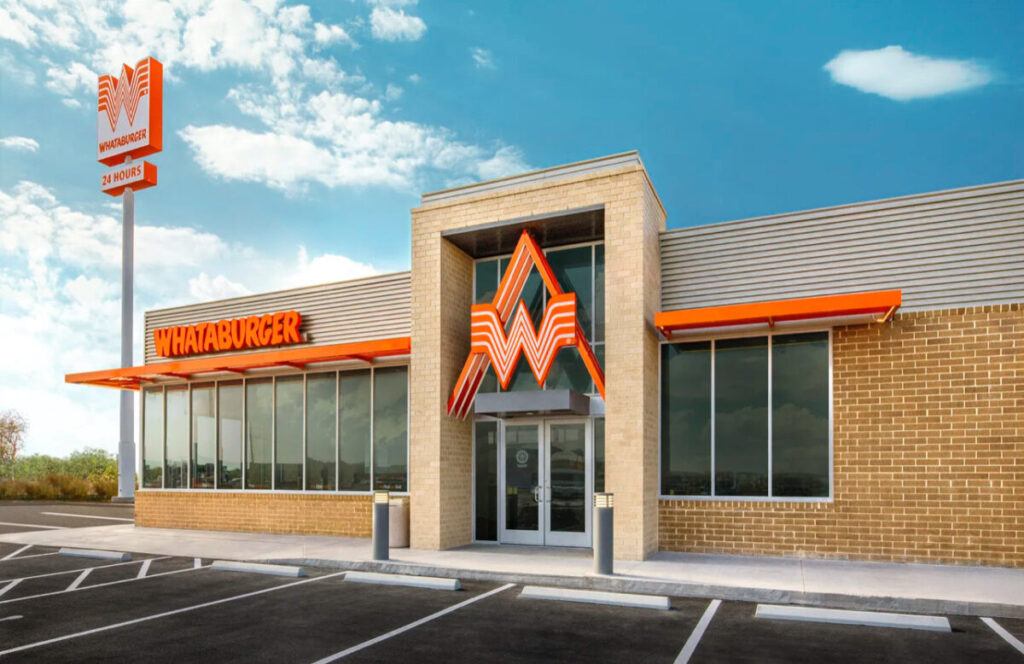
How Commercial Entrance Canopies Support Energy Efficiency
Commercial building awnings and entrance canopies help reduce direct solar exposure around entryways. By shading exterior doors, nearby windows, and surrounding surfaces, these structures can help limit heat buildup in areas that would otherwise receive significant sunlight.
The U.S. Department of Energy identifies exterior shading as an effective strategy for reducing solar heat gain through windows. Although the actual energy savings depend on building orientation, canopy dimensions, and glazing, strategically positioned commercial canopies can contribute to better indoor temperature management.
How Do Covered Entrances Reduce Heat Gain?
Covered entrances reduce heat gain primarily by preventing direct sunlight from reaching doors, windows, and nearby building surfaces. This helps limit the amount of solar energy absorbed by exposed materials and transferred toward indoor spaces.
When sunlight strikes glass doors or windows, some solar energy enters the building and contributes to indoor heating. Exterior shading can intercept part of that sunlight before it reaches the glass.
Commercial metal awnings and entrance canopies offer several potential advantages:
- Reduced solar exposure: Shading limits direct sunlight around entryways.
- Lower surface temperatures: Covered exterior surfaces may absorb less solar heat.
- Improved entrance comfort: Visitors experience less direct sunlight while entering or exiting.
- Better temperature consistency: Reduced solar gain can help limit overheating near entrances.
For businesses with large glass storefronts or entrances facing strong afternoon sunlight, proper canopy placement can make a noticeable difference in the comfort of the entrance area.
Can Commercial Building Awnings Reduce HVAC Energy Costs?
Commercial building awnings can help reduce cooling demands by limiting solar heat gain, although actual HVAC savings depend on the building and canopy design.
Air conditioning systems must remove heat entering a building from multiple sources, including sunlight, outdoor air, equipment, and occupants. When an entrance canopy shades nearby glazing, it can reduce one source of unwanted heat.
This can be particularly useful for commercial properties with extensive glass surfaces or high levels of sun exposure.
However, it is important to understand that a covered entrance does not create an airtight barrier. Frequent door openings still allow indoor and outdoor air to exchange, and a canopy alone will not prevent this.
For the best results, businesses should consider entrance shading alongside other efficiency measures, such as:
- Weatherstripping and properly sealed doors
- Energy-efficient windows and glazing
- Automatic door closers
- Well-maintained HVAC equipment
- Appropriate building insulation
Combining these improvements can provide more effective temperature control than relying on any single feature.
What Type of Commercial Canopy Works Best for Temperature Control?
A commercial canopy works best for temperature control when its size, projection, and placement provide effective shade during the building’s highest periods of solar exposure.
Not every entrance receives sunlight from the same direction. A south-facing entrance may benefit from a different shading configuration than a west-facing entrance exposed to low afternoon sunlight.
Important design considerations include:
Building orientation: Identify when direct sunlight reaches the entrance and surrounding windows.
Canopy projection: Choose an appropriate extension to shade the desired surfaces without obstructing pedestrian movement.
Material selection: Durable commercial metal canopies provide long-term overhead protection and architectural appeal.
Drainage design: Proper water management helps direct rainwater away from entrance areas.
Architectural compatibility: A canopy should complement the building’s exterior while meeting practical shading needs.
All Star Canopy offers commercial canopy solutions that can be incorporated into a variety of architectural styles and property layouts. Selecting a canopy that fits the building’s specific requirements helps maximize its functional benefits.
How Do Covered Entrances Improve Customer and Employee Comfort?
Covered entrances improve comfort by creating shaded transition areas between outdoor conditions and indoor spaces.
During warm weather, customers approaching an unprotected entrance may be exposed to direct sunlight while waiting for doors to open or gathering near the building.
An overhead canopy provides a more comfortable place to enter, exit, or briefly wait.
For commercial properties, this can benefit several types of visitors:
- Retail customers: Shaded storefront entrances provide a more welcoming arrival experience.
- Office employees: Covered entrances offer relief from direct sunlight during daily arrivals and departures.
- Healthcare visitors: Protected entryways can improve comfort for patients and individuals waiting for transportation.
- Hospitality guests: Attractive entrance canopies create a more comfortable first impression.
Beyond temperature considerations, commercial entrance canopies also help protect visitors from rain and contribute to a polished, professional exterior.
These advantages make covered entrances valuable for both building performance and the overall visitor experience.
Are Metal Entrance Canopies a Good Long-Term Investment?
Commercial metal entrance canopies can be a worthwhile long-term investment because they combine durable weather protection, architectural enhancement, and potential energy-efficiency benefits.
Unlike temporary shading solutions, properly designed and maintained metal canopies provide lasting coverage for busy commercial entrances.
Their value extends beyond temperature management. A well-designed canopy can enhance the building’s appearance, improve the visibility of an entrance, and protect visitors from changing weather conditions.
Business owners should evaluate the overall investment based on the canopy’s intended purpose, installation requirements, maintenance needs, and expected service life.
For properties undergoing renovations or exterior improvements, adding a commercial entrance canopy can be an effective way to improve both functionality and curb appeal.
Frequently Asked Questions About Covered Entrances
Do covered entrances keep commercial buildings cooler?
Covered entrances can help keep areas near doors and windows cooler by reducing direct sunlight and solar heat gain. Their impact on overall indoor temperatures depends on building orientation, canopy coverage, insulation, and HVAC performance.
Can a metal awning help lower electricity bills?
A properly positioned metal awning may reduce cooling energy use by shading windows and limiting solar heat gain. Actual savings vary based on the building’s design, climate, and existing energy-efficiency features.
Are commercial entrance canopies useful during winter?
Yes. Commercial entrance canopies provide year-round weather protection, including shelter from rain and snow. However, permanent shading may also reduce beneficial winter sunlight, so seasonal sun exposure should be considered during design.
What businesses benefit most from covered entrances?
Retail stores, office buildings, healthcare facilities, hotels, restaurants, and other commercial properties can benefit from covered entrances. Buildings with exposed doors, large glass entryways, or frequent pedestrian traffic may find them especially useful.
Improve Your Building’s Comfort With All Star Canopy
A comfortable commercial building starts with thoughtful design, and the entrance is an important part of that equation. By reducing direct sunlight, providing dependable weather protection, and enhancing the building’s exterior, commercial entrance canopies offer practical benefits that extend beyond appearance.
Ready to improve your commercial entrance? Contact All Star Canopy today to explore durable, attractive canopy solutions designed to enhance comfort, functionality, and curb appeal.