
How Do Commercial Canopies Help Prevent Merchandise From Fading?
Commercial canopies help protect merchandise from fading by shading storefront windows and reducing the amount of direct sunlight that reaches products and displays. Because ultraviolet and visible light can cause permanent color changes in fabrics, paper, finishes, and other materials, exterior shading can reduce light exposure and help merchandise maintain its appearance longer.
For retailers, showrooms, restaurants, and other commercial businesses, natural light can make a space feel welcoming, but uncontrolled sunlight can also create problems. Merchandise positioned near storefront windows may experience fading or discoloration over time, potentially affecting its appearance and value. AllStar Canopy designs commercial canopies, commercial awnings, architectural sunshades, and custom metal solutions that combine practical protection with attractive exterior design. Rather than treating shade as an afterthought, a properly planned canopy can become part of the building’s architecture while helping protect the products and interior spaces behind the glass. The result is a solution designed around both the property and the people who use it.
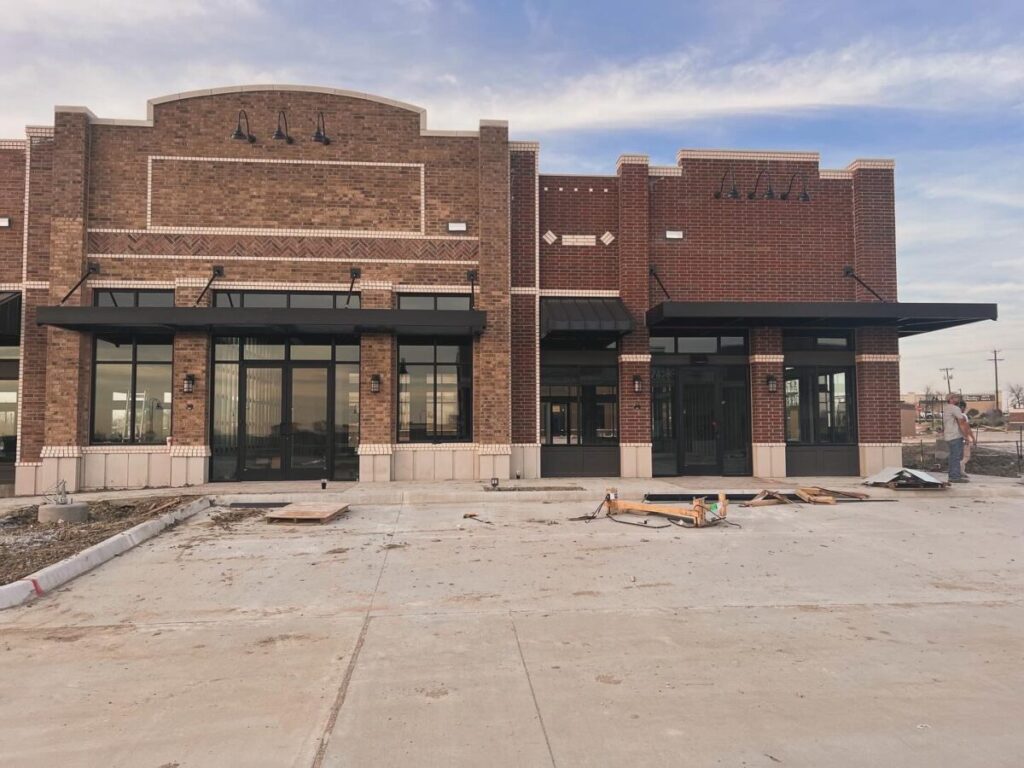
Commercial Awnings and Sunshades Help Reduce Storefront Light Exposure
Exterior shading works by intercepting sunlight before it passes through storefront glass. This makes commercial awnings and architectural sunshades useful tools for businesses that want to reduce direct solar exposure while maintaining attractive, visible storefronts.
The U.S. Department of Energy recommends shading windows from the outside, before sunlight strikes the glass, and identifies awnings and solar screens as effective exterior shading elements.
Why Does Sunlight Cause Merchandise to Fade?
Sunlight can trigger photochemical reactions that cause colors and materials to deteriorate, and ultraviolet radiation is only part of the problem.
The Smithsonian’s Museum Conservation Institute notes that ultraviolet wavelengths are particularly damaging to organic materials, but visible light can also cause damage. Light-sensitive materials can include textiles, paper, paints, dyes, photographs, leather, and similar products.
The Smithsonian Institution Archives also identifies light as a common cause of color fading and chemical deterioration in sensitive materials.
For retailers, this means merchandise near a sunny window may be particularly vulnerable. Examples can include:
- Clothing and textiles
- Upholstered furniture
- Rugs and carpeting
- Artwork and prints
- Books and paper products
- Product packaging
- Wood furniture and finishes
- Decorative displays
The amount of damage is influenced by several variables, including the material, colorant, intensity of the light, and length of exposure. In other words, there is no universal timeline for when a particular product will visibly fade.
How Can a Commercial Canopy Reduce Sun Damage?
A commercial canopy can reduce sun damage by decreasing the direct sunlight reaching storefront glass and the merchandise behind it.
According to the U.S. Department of Energy, the best place to shade a window is outside, before the sun strikes the glass. Exterior awnings, overhangs, solar screens, and other shading elements can intercept solar radiation before it enters the building.
That can be especially useful for businesses with large storefront windows or merchandise displayed close to the glass. Depending on the building’s orientation and canopy design, exterior shading can help:
- Reduce direct sunlight: A canopy creates shade over windows during portions of the day.
- Limit cumulative light exposure: Less direct exposure can help slow light-related deterioration.
- Reduce glare: Shading can make bright storefront areas more visually comfortable.
- Limit solar heat gain: Exterior shading can also reduce unwanted solar heat entering through windows.
A canopy will not eliminate every source of UV or visible light, nor can it guarantee that merchandise will never fade. Instead, it can become one layer of a broader strategy for managing light exposure.
Does the Amount of Sun Exposure Matter?
Yes. Both light intensity and exposure time play important roles in light-related damage.
Research cataloged by the Smithsonian Museum Conservation Institute explains that the rate of fading depends on illumination intensity and duration. Reducing one or both can help preserve colors for longer.
This principle is particularly relevant to retail displays. A product receiving strong direct sunlight for hours each day may accumulate substantially more light exposure than an identical product located deeper inside the building.
Business owners can look for warning signs such as:
- Displays that receive intense afternoon sun
- Products fading unevenly on the window-facing side
- Packaging losing color near storefront glass
- Fabrics or furnishings becoming discolored
- Excessive glare around display areas
- Noticeable heat buildup near windows
If these issues consistently occur in the same parts of a building, exterior shading may be worth considering.
Which Storefronts Benefit Most From Commercial Sunshades?
Businesses with significant window exposure and light-sensitive merchandise may have the most to gain from commercial sunshades or awnings.
Building orientation matters. The U.S. Department of Energy notes that east- and west-facing glass can be particularly challenging from a solar heat gain perspective because of the sun’s lower angles. The ideal shading design therefore depends on where the storefront faces, surrounding buildings, window dimensions, and how sunlight moves across the property.
Commercial shade solutions can be especially useful for:
- Clothing boutiques
- Furniture stores and showrooms
- Flooring and textile retailers
- Art and framing shops
- Bookstores
- Specialty retailers
- Restaurants with sun-exposed interiors
- Commercial properties with large areas of glass
The right solution may involve commercial building awnings, architectural sunshades, commercial metal awnings, or another custom canopy configuration.
How Should a Business Choose the Right Commercial Canopy?
The best commercial canopy is designed for the specific building rather than selected solely for appearance.
Before choosing a canopy, consider the storefront’s orientation, window dimensions, hours of strongest sunlight, desired coverage, architectural style, pedestrian clearance, drainage, and applicable building requirements.
A custom approach also allows the canopy to complement the property’s appearance. For retailers, that matters because storefront design contributes to the customer’s first impression.
AllStar Canopy can develop custom metal fabrication and commercial canopy solutions that address practical needs while fitting naturally with the building. A well-planned canopy can provide shade without making the storefront feel closed off or disconnected from its surroundings.
Frequently Asked Questions About Canopies and Sun Damage
Do commercial awnings completely prevent merchandise from fading?
No. Awnings can reduce direct sunlight and cumulative light exposure, but they cannot eliminate every source of UV and visible light. Window glazing, display placement, lighting, and the sensitivity of individual materials also affect fading.
Does UV light cause all merchandise fading?
No. UV radiation is particularly damaging, but visible light can also cause fading and deterioration. Smithsonian research has documented damaging effects from both UV and visible radiation.
Are exterior awnings better than interior blinds for blocking solar heat?
Exterior shading has an important advantage because it intercepts sunlight before it reaches the window. The U.S. Department of Energy recommends exterior window shading as an effective strategy for reducing solar heat gain.
What type of commercial canopy is best for a storefront?
The best option depends on the building’s orientation, window placement, architectural design, required coverage, and business goals. Custom commercial awnings or architectural sunshades can be designed around these factors.
Protect Your Merchandise With Smarter Exterior Shade
Sunlight can make a storefront bright and inviting, but prolonged exposure can gradually take a toll on merchandise, displays, and interior finishes. Commercial canopies and architectural sunshades offer businesses a practical way to reduce direct solar exposure while enhancing the appearance of their properties.
For AllStar Canopy, effective shade is about more than placing a cover over a window. It is about creating a durable commercial solution designed around the building, its architecture, and the protection the business needs.
Ready to protect your storefront and merchandise from unnecessary sun exposure? Contact AllStar Canopy today to explore a custom commercial canopy, awning, or sunshade solution for your property.